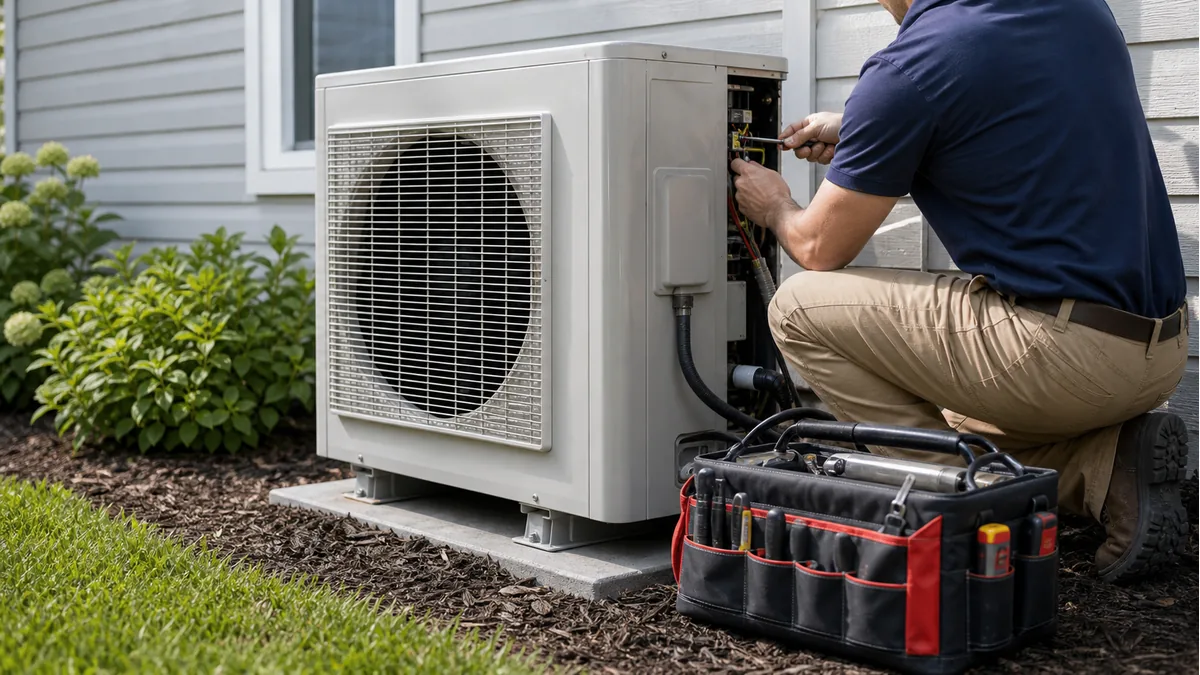
Start with system condition and repair history
A recent minor repair is different from repeated repairs on an older system. Track the age of the equipment, past repair costs, recurring issues, and whether the system is still keeping the home comfortable.
If the system has uneven temperatures, frequent cycling, poor airflow, or repeated service visits, ask for a written assessment that separates repair options from replacement options.
Compare comfort and efficiency factors
Heating and cooling are major parts of household energy use, but efficiency depends on more than the outdoor unit. Duct condition, insulation, thermostat settings, equipment sizing, and installation quality all matter.
When comparing replacement options, ask for model numbers, efficiency ratings, load calculation details when relevant, and any documentation needed for utility rebate review.
Ask for clear written estimates
A useful estimate should explain the scope of work, equipment, labor, permits when relevant, warranty terms, diagnostic fees, and payment timing. Homeowners should verify license and insurance directly before hiring.
Energy Rebate Guide does not recommend a specific provider and does not guarantee service availability, pricing, or rebate eligibility.
Check rebate timing before replacing equipment
Some rebate programs may require pre-approval, specific equipment ratings, or documentation submitted within a defined window. Verify current program rules before purchase or installation.
For federal tax-credit questions, homeowners should verify current IRS rules directly instead of relying on old summaries.